
How Guilt-Lock Shows Up in Men
Guilt-lock is not about gender weakness. It’s about how the nervous system adapts within cultural and relational environments. While every person is unique, men and women are often socialised differently — and the body adapts accordingly.
Jean Chopping
2 min read
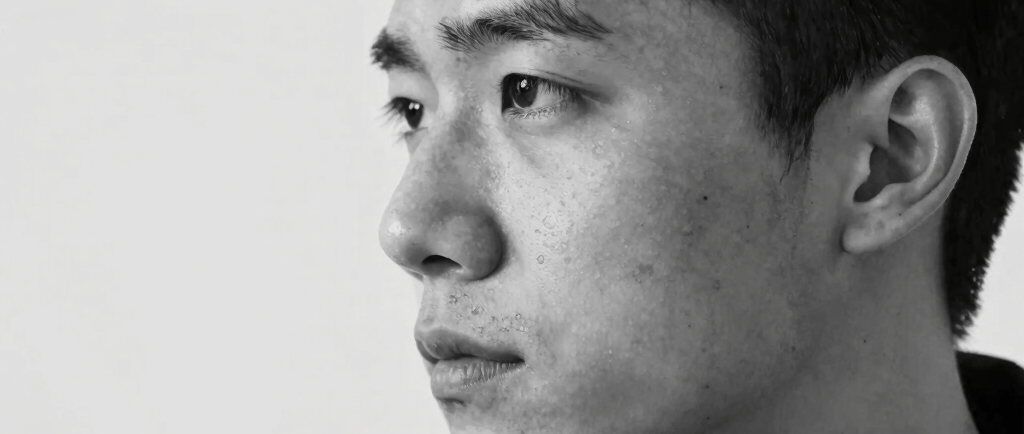

How Guilt-Lock Shows Up in Men
Guilt-lock in men is still a nervous system response as with women. However, cultural conditioning shapes how it is expressed.
Many boys grow up learning:
Don’t cry.
Don’t show fear.
Don’t need too much.
Be strong.
Fix it.
Provide.
When emotions like sadness, shame, or fear were not safe to express, the nervous system adapted.
Instead of collapsing outwardly, many men develop:
Emotional restriction
Irritability or anger (a safer emotion)
Overworking or hyper-responsibility
Withdrawal or silence
Perfectionism
Self-criticism masked as “standards”
Underneath is often the same belief: “If I fail, I lose belonging.”
The Male Version of the Shame Loop
While many women experience guilt-lock as “I am too much”, men often experience it as: “I am not enough.”
Not strong enough.
Not successful enough.
Not spiritual enough.
Not in control enough.
From a Polyvagal perspective, men are often socialised to stay in sympathetic activation (fight/drive/achieve) rather than dorsal collapse.
So instead of visible shutdown, men may experience:
Constant striving
Anger bursts
Emotional numbness
Risk behaviours
Difficulty accessing softer emotions
The body still clamps down — just differently.
How the Body Holds Shame in Men
Common somatic patterns include:
Tight jaw / clenching teeth
Braced abdomen
Expanded chest but restricted breath
Chronic muscle tension
Restlessness
Difficulty relaxing even in safe environments
Shame in men is frequently defended against by:
Anger
Sarcasm
Intellectualising
Avoidance
Addictive behaviours
Because for many men, shame feels annihilating.
Why Insight Often Fails Men Too
Just like with women, insight doesn’t unlock guilt-lock.
Many men can explain their patterns clearly.
But the nervous system learned early that vulnerability was unsafe.
And the body does not change through explanation — it changes through:
Safe relational experiences
Regulated presence
Permission to feel without loss of dignity
A Faith-Integrated Layer
For men in faith spaces, guilt-lock can intensify if masculinity is equated with:
Leadership without vulnerability
Strength without tenderness
Authority without emotional awareness
The internal message becomes: “If I struggle, I fail God.”
But Jesus modelled embodied strength — not emotional suppression.
True strength includes:
Regulated presence
Secure attachment
Emotional honesty
Compassion toward self and others
The Core Truth
Guilt-lock in men is not weakness. It is a survival strategy shaped by culture, family, and experience.
Underneath the drive, the anger, or the silence is often a nervous system that learned: “If I feel this fully, I will lose connection or respect.”
Healing begins when a man’s body experiences:
Safety without performance
Respect without achievement
Belonging without perfection
Brighter Pathways Counselling & Art Therapy
Accessible counselling and art therapy for women at home, phone or online
Contact for Support
Email: jean.c@brighterpathways.au
Mobile: 0417 362 944
© 2025. All rights reserved.
Brighter Pathways Counselling & Art Therapy acknowledges Aboriginal and Torres Straight Islander peoples as custodians of traditional land and waters of Australia. We acknowledge and pay respect to them, their cultures and Elders past and present.