
Understanding Why Some Women Find Themselves In An Unhealthy Relationship
Jean Chopping
4/15/20264 min read
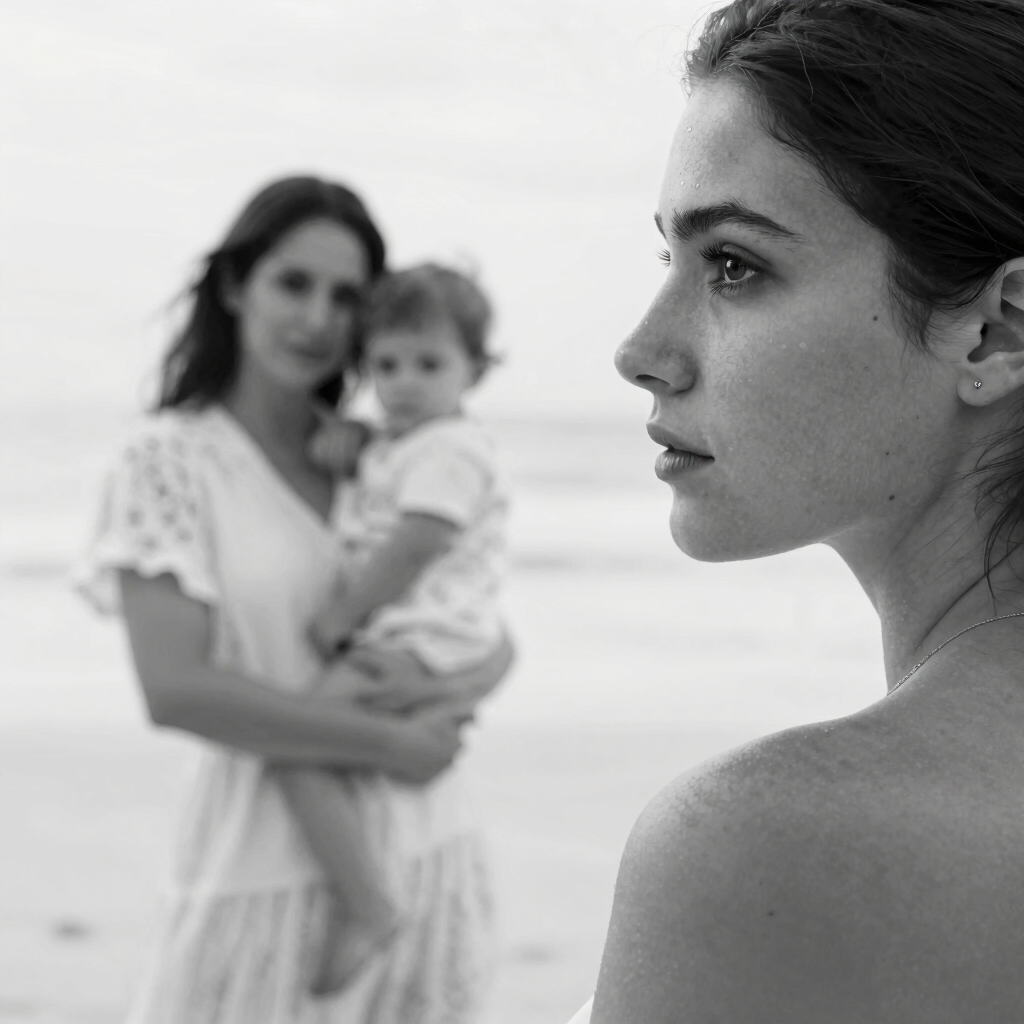
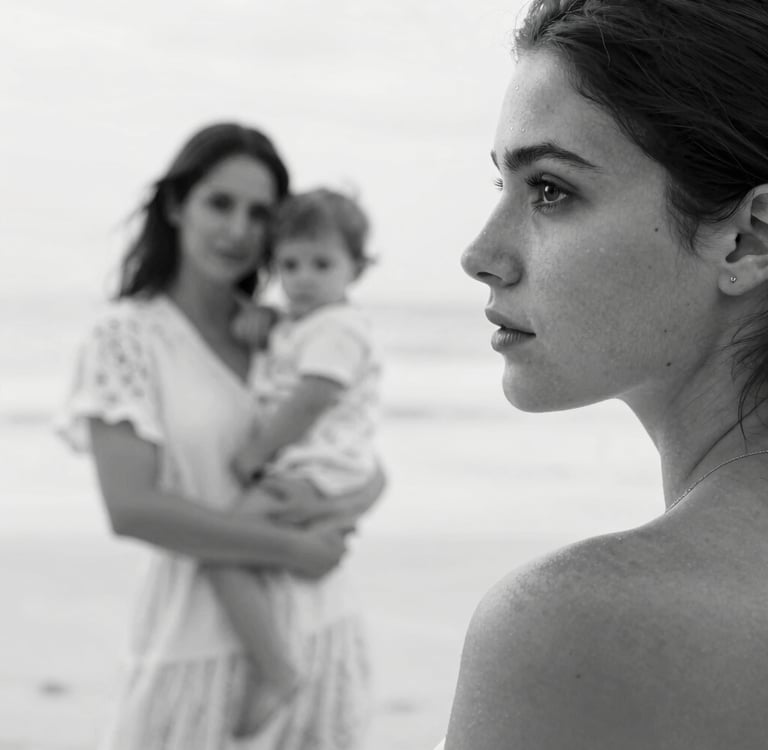
Understanding Why Some Women Find Themselves In An Unhealthy Relationships
When exploring why some women find themselves in unhealthy or even abusive relationships, the answers are often complex and deeply layered. For some, part of that story may begin in early childhood—with the loss of a father. This loss is not only about the absence of a parent.
It can also be the absence of a relational experience that helps shape a young girl’s understanding of safety, care, and connection.
The Impact of Early Loss
When a father dies during a daughter’s early years, there may be little or no lived experience of what it feels like to be consistently protected, affirmed, and emotionally held by him.
Rather than clear memories, there can be an unspoken absence— a space where something important was meant to develop.
Children do not always have the capacity to process this kind of loss. Instead, the impact can be carried quietly, shaping emotional needs and relational patterns over time.
The Longing for Safety and Connection
It is natural for a child to long for connection, comfort, and reassurance.
When these needs are left unmet or only partially met, they do not disappear.
They often continue into adolescence and adulthood, sometimes without conscious awareness.
This can lead to a deep desire to feel:
chosen
valued
safe in connection
These desires are not weaknesses.
They are reflections of healthy human needs.
When Needs Meet the Wrong Environment
Without a clear internal reference for what safe and respectful love looks like, it can become difficult to recognise it.
In some cases, relationships that offer attention or intensity may feel meaningful—even if they are inconsistent, controlling, or harmful.
Patterns may emerge such as:
staying in relationships that feel unsafe
overlooking behaviours that cause harm
feeling a strong attachment, even when needs are not being met
This is not a reflection of a woman’s worth or strength. It is often the nervous system responding from a place of familiarity and unmet need.
Moving From Awareness to Compassion
Understanding these patterns invites a shift away from self-blame and toward compassion.
What may look like “tolerating too much” can often be understood as:
seeking connection where it once felt absent
holding onto relationships in the hope of feeling secure
trying to meet emotional needs that were never fully met
Awareness creates space for change.
Personal Experience
While each person’s story is unique, I understand some of this impact not only professionally, but personally.
My father died when I was just three years old. There was no lived experience of what it felt like to be consistently protected, affirmed, or emotionally held by him. Instead, there was an unspoken absence—a space where something important was meant to develop.
It wasn’t until around the age of nine that I began to recognise the significance of that loss. As I observed friends with their families—the care, comfort, and protection they received from their fathers—I became aware of what I didn’t have. And with that awareness came grief.
I remember one night, lying in bed, feeling a deep and overwhelming sense of heartbreak. Through tears, I questioned why I didn’t have a father. In that moment, I experienced something I have never forgotten. I heard a strong but gentle voice within me: “I am your Father, and I will always be here for you.”
There was a profound comfort that followed—something difficult to fully explain, yet deeply real. A warmth and peace that settled within me, gently easing the pain I was carrying.
For me, this became my first awareness of God’s presence and His love—meeting me in a place of loss, and bringing a sense of comfort where something had been missing.
In my own journey, I can see how this early absence shaped my relationships.
I later found myself in unhealthy patterns beginning in my teenage years—seeking comfort, safety, and protection from male relationships that, at the time, even when abusive, felt like they might fill what had been missing.
It has been through healing, reflection, and reconnecting with truth that things began to shift. For me, this included coming back to an awareness of God’s love— a love that is constant, safe, and not dependent on another person’s ability to meet my needs.
In learning to receive that love, I began to see my worth differently. Not as something to be earned or found in others, but as something already given. And from that place, new understanding, boundaries, and healthier patterns were able to grow.
A Different Kind of Love
Healing is not only about understanding the past, but also about encountering a different experience of love in the present.
For many, this includes discovering the nature of God’s love.
A love that is:
steady and unchanging
safe and non-controlling
compassionate and restorative
In contrast to human inconsistency, God’s love does not withdraw or harm. It meets us in places of loss and gently restores what feels broken or incomplete.
Restoring Identity and Worth
Through this lens, healing becomes a process of reclaiming truth:
Your worth was never defined by what was missing
Your need for love and safety is valid
You were created for relationships that reflect care, respect, and dignity
There is comfort in knowing that even where there has been absence, there is also the possibility of restoration.
Early loss can shape the way love is understood and experienced. But it does not have the final word.
There is hope for healing.
There is space for new patterns to form.
And there is a love that remains constant, even in places where something once felt missing.
You are not defined by what you have experienced.
You are held, seen, and deeply valued—just as you are.
Brighter Pathways Counselling & Art Therapy
Accessible counselling and art therapy for women at home, phone or online
Contact for Support
Email: jean.c@brighterpathways.au
Mobile: 0417 362 944
© 2025. All rights reserved.
Brighter Pathways Counselling & Art Therapy acknowledges Aboriginal and Torres Straight Islander peoples as custodians of traditional land and waters of Australia. We acknowledge and pay respect to them, their cultures and Elders past and present.